Baby Shower Planning Timeline for 20 Guests: Food, Games and a Comfortable Guest Flow
A baby shower works best when it reflects the guest of honor's preferences rather than a rigid program. This guide uses a 20-person gathering as a planning example and covers invitations, food, simple activities and the handoff of gifts. It does not provide pregnancy or medical advice.
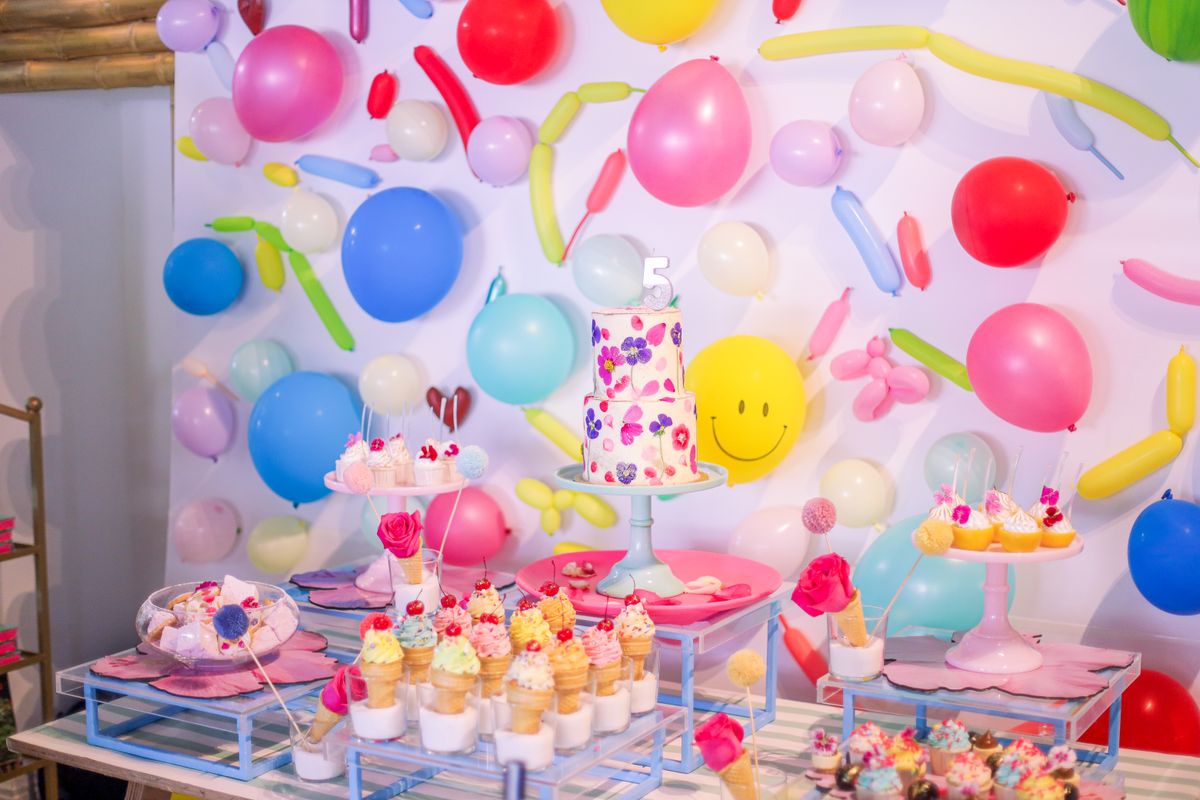
Photo: Pexels · License. Illustrative stock photography; pictured people, products and settings are not claimed to demonstrate this exact guide or endorse this publication.
Start with the actual decision
Ask the guest of honor about the format, guests, photographs, games and whether opening presents publicly feels comfortable. Choose a venue and duration that suit the actual group. A home gathering, cafe meal and community-room event have different setup and food responsibilities. Decide who hosts and who approves spending before collecting decorative ideas. Avoid surprising someone with an intense activity schedule they did not want.
Prepare the working information
Prepare an invitation list, response tracker, menu outline, supply inventory and simple run sheet. Ask privately about food and access needs. Confirm seating for the guest of honor and other people who need it, restroom access and a quiet place if useful. List who receives deliveries, sets up, leads games and takes gifts home. A single organizer can manage a small event, but they should not also be expected to perform every task while welcoming guests.
A worked example you can adapt
For an illustrative 2–4 p.m. shower, use arrival and conversation from 2 to 2:20, food from 2:20, one optional game around 2:50 and a quieter wishes-card activity afterward. A short gift-opening block can be included only if wanted. These times are a design example, not a required shower agenda. If lunch is expected, offer an actual meal; if only light refreshments are planned, describe that clearly rather than leaving guests to guess.
Follow the sequence in order
Confirm the guest of honor's preferences, then the location and host responsibilities. Send invitations with a clear response date and a private contact. Choose one main activity and prepare its instructions before buying prizes. Finalize food quantities using responses and provider guidance. Set up a gift area separate from food and an optional card station that does not require everyone to perform publicly. Leave room in the schedule for conversation rather than filling every minute.
Choose between the realistic options
Choose between a seated meal, a small buffet or light refreshments according to time, space and handling capacity. Use games as an invitation to participate, not a test guests must pass. A wishes card or paired activity may suit a mixed group better than competitive guessing. If children attend, plan suitable supervision and avoid loose small decorative objects. Paper decor can be simpler than balloons around young children; CPSC identifies risks from uninflated balloons and fragments.
A ready-to-adapt message
A host brief can say: 'We are planning a relaxed afternoon shower for about 20 guests. Please help with one station: welcoming, food replenishment or the wishes cards. Games are optional, and we will not announce private information or require anyone to share personal experiences. The guest of honor prefers a short gathering and no surprise speeches.' Replace the preferences with what was actually agreed. Helpers need boundaries as well as tasks.
Catch the common failure points
Avoid games that depend on revealing private health, fertility or family information. Do not assume everyone shares a particular family structure. Keep gift records discreet and do not compare spending in front of guests. If the event uses a buffet, assign someone to monitor serving and storage rather than leaving all dishes out indefinitely. Decorations and bags should not block the guest of honor's route or the area where people stand to greet them.
Build a fallback and finish the handoff
Assign a person to record gift-giver names only if the guest of honor wants help with later thanks. Pack gifts with their cards so identities are not lost. Return borrowed items and remove private guest data from general helper documents. Ask the guest of honor before sharing photographs publicly. The event is complete when the person being celebrated has a manageable handoff, rather than a room full of unlabeled presents and leftover tasks.
Make an optional-activity sign
A simple sign can read: 'Add a wish or a practical encouragement if you would like. You may sign your name or leave the card unsigned. Please place completed cards in the envelope.' Keep prompts warm and nonintrusive. Provide a seated writing option and a pen that works. This creates a quieter way to contribute for guests who do not enjoy group games and leaves the guest of honor a collection they can read later.
Your working checklist
Checkmarks stay in this browser when storage is available. They do not submit information or complete a purchase.
Put it into practice
- Ask the guest of honor about format and boundaries.
- Confirm venue, host roles and the invitation list.
- Prepare one optional game and a quieter activity.
- Finalize food and seating from confirmed responses.
- Label gifts with cards during the handoff.
- Ask permission before sharing event photographs.
Before you finish
- The event reflects the guest of honor's stated preferences.
- Games avoid private or embarrassing disclosures.
- Food and gift handling each have a named owner.
- People can participate quietly or decline an activity.
Common questions
Do we need to play games?
No. Conversation, a meal and a simple wishes station can be enough. If you include games, choose ones that suit the group and make participation optional rather than announcing that everyone must take part.
Should gifts be opened during the shower?
Ask the guest of honor. Some people enjoy it; others prefer a private handoff. If opening gifts is included, allow a defined block and keep cards attached without turning the moment into a comparison of spending.
How early should invitations go out?
Work backward from the guests' travel needs and your venue or food deadlines. There is no single universal interval. Confirm the important facts before sending and give a practical response date.
Can a shower include partners or mixed groups?
Yes, if that fits the person being celebrated. Choose wording and activities that welcome the invited group. Avoid assuming a single gender, relationship structure or set of shared experiences.