Milestone Birthday Open House: Plan Arrival Windows, Food and a Clear Finish
An open house can make a milestone birthday flexible, but it still needs capacity, food and timing decisions. Guests arrive at different moments, so the plan should not depend on everyone hearing one opening announcement. Choose a realistic window and repeatable hospitality rather than an endless event.
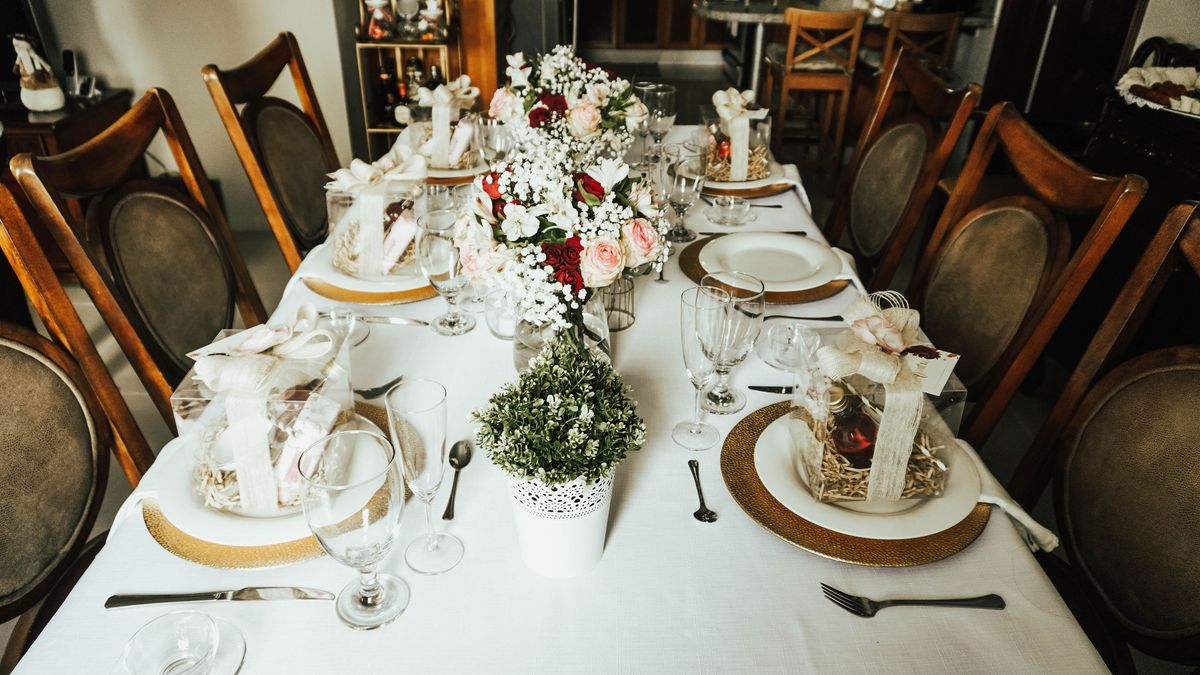
Photo: Pexels · License. Illustrative stock photography; pictured people, products and settings are not claimed to demonstrate this exact guide or endorse this publication.
Start with the actual decision
Ask the birthday person whether they enjoy a rotating group or would prefer everyone together. Decide the maximum number present at once, not only the total invited. Clarify whether guests can drop in freely or should select an arrival window. A small home may need staggered invitations rather than hoping attendance spreads evenly. State whether food is a meal or light refreshments and whether there is a specific cake or toast moment.
Prepare the working information
Create a response list with household, expected window and any practical requests. Map arrival, coats, food, drinks, seating and departure so guests do not block one another. Choose food that can be replenished through a managed plan and assign a person to that work. Keep the birthday person free from greeting at the door continuously. Identify a quiet seat and a host who can introduce new arrivals.
A worked example you can adapt
An illustrative 2–5 p.m. event might invite one group from 2 to 3:30 and another from 3:30 to 5, with a clearly stated brief toast at 3:30 for those who want to overlap. The numbers and timing must suit the actual room. Do not advertise unrestricted drop-in attendance while privately depending on strict windows. If everyone is welcome at the same moment, confirm that the space and service can genuinely support that possibility.
Follow the sequence in order
Send the format and arrival information, then collect responses. Prepare signs that answer recurring questions without requiring the host to repeat everything. Set up a welcome point and a discreet place for gifts or cards. Replenish food in planned batches and reset used areas as guests leave. Announce any central moment clearly, while allowing guests to arrive or depart without embarrassment. Begin the closing routine at the stated finish instead of adding another open-ended activity.
Choose between the realistic options
Choose a single event block if the guest group is small enough and a shared celebration matters more than flexibility. Choose windows if capacity and guest schedules make that useful. A cafe or hired room can change the workload, but compare actual inclusions and service limits. Do not assume an open house is automatically cheaper: longer food holding, repeated replenishment and extra hosting hours can increase the work.
A ready-to-adapt message
An invitation can say: 'We are celebrating Pat's birthday at home on Saturday. Your welcome window is 2–3:30 p.m.; a short toast will be at 3:15. Light refreshments will be served rather than lunch. Please reply by Tuesday and let us know privately about access or food needs. No gifts are expected.' Replace the example. If windows are optional rather than allocated, explain that distinction clearly.
Catch the common failure points
Avoid a cake time that only half the guests know about, an entrance crowded by gifts and a buffet nobody monitors. Do not repeatedly ask the birthday person to pose for identical group photos if that becomes tiring. Assign an introduction host so newcomers are not left standing beside a settled conversation. If the room becomes crowded, manage arrival through the agreed format rather than adding chairs into routes needed for movement.
Build a fallback and finish the handoff
Offer a warm, clear goodbye as the window closes. Handle food through the storage plan, secure personal items and check borrowed equipment before helpers leave. Let the birthday person choose which photographs may be shared. Keep a short list of cards or gifts needing later thanks without making a public spending record. The open house is successful when flexibility feels intentional and neither guests nor hosts are unsure when the event ends.
Prepare a repeatable welcome
Give the door helper a short sequence: greet the guest, show coat storage, explain drinks and point out where the birthday person is. Mention the timing of any upcoming toast. This prevents late arrivals from missing important information and lets the main host continue a conversation. Keep the sequence friendly, not scripted like a ticket desk, and update the helper if the plan changes.
Your working checklist
Checkmarks stay in this browser when storage is available. They do not submit information or complete a purchase.
Put it into practice
- Confirm the birthday person's preferred format.
- Set realistic simultaneous capacity and arrival windows.
- Describe food and central moments in the invitation.
- Assign welcome and food-replenishment roles.
- Repeat essential information for later arrivals.
- Finish at the stated time and complete the closing handoff.
Before you finish
- The event does not rely on guests guessing arrival windows.
- A central toast or cake time is clearly communicated.
- The birthday person is not responsible for every doorway greeting.
- The finish and food-handling plan are definite.
Common questions
Can guests stay for the whole event?
Decide and communicate that before inviting them. If allocated windows are needed for capacity, state them kindly. Do not call the event unrestricted while depending on guests to leave at an unstated time.
Should everyone attend the cake moment?
Only if a shared moment is important and the space supports it. Otherwise repeat a simple cake serving or explain the optional central time. Avoid making guests feel they attended the wrong part of the celebration.
Is an open house easier than a dinner?
It can be, but it creates repeated arrivals and a longer service window. Compare the work honestly. A short seated gathering may be simpler for a host with limited food-holding capacity.
How do we end politely?
State the finish in advance, stop introducing new activities and thank guests as the closing time approaches. A clear event window makes the ending feel normal rather than an unexpected request to leave.