An At-Home Afternoon Tea Plan With a Manageable Menu and Serving Sequence
Afternoon tea at home can be a simple social gathering with a few thoughtful choices. You do not need a formal tiered display or a large collection of matching china. This guide creates a practical sequence for a small group while leaving room for different tastes and food requirements.
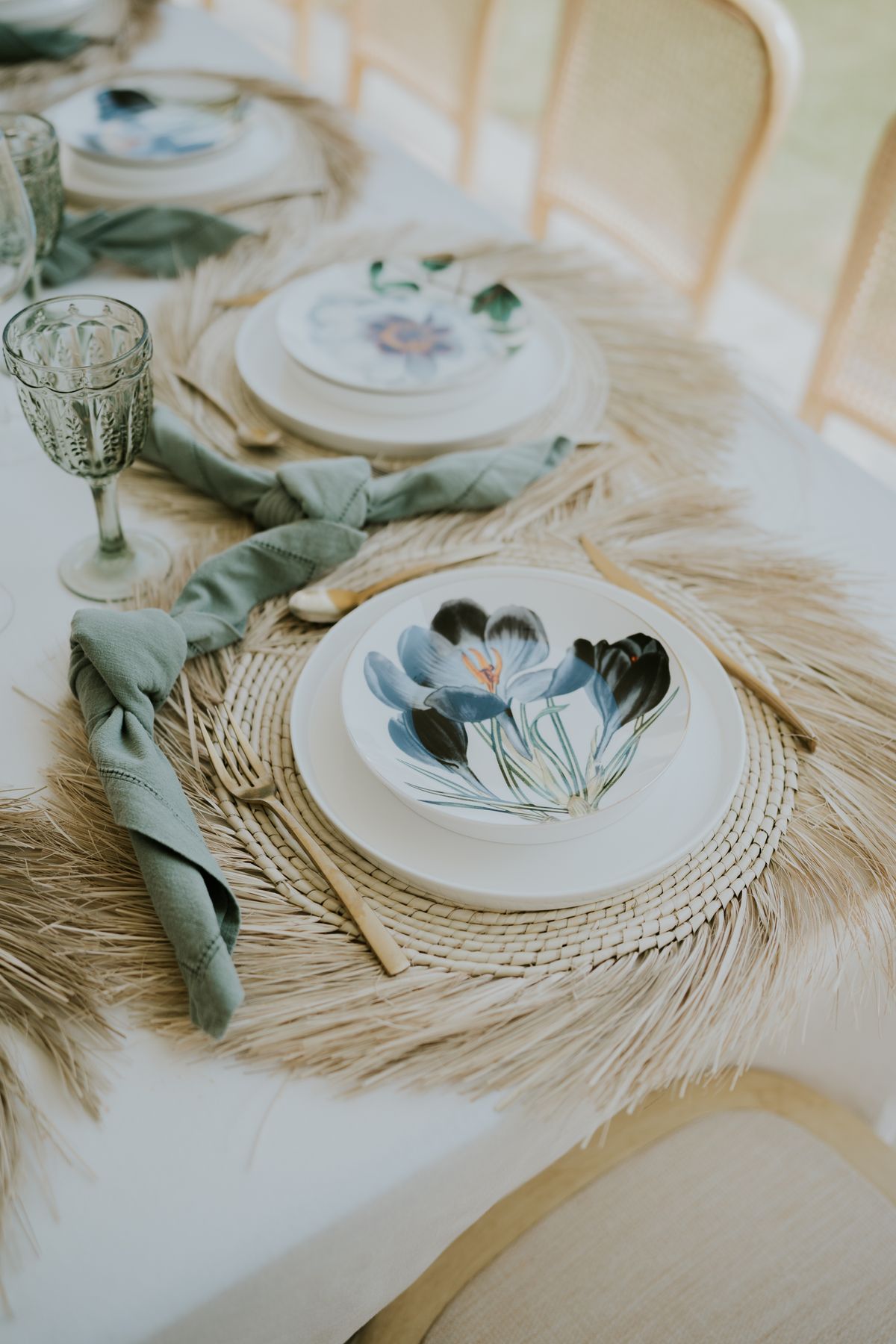
Photo: Pexels · License. Illustrative stock photography; pictured people, products and settings are not claimed to demonstrate this exact guide or endorse this publication.
Start with the actual decision
Decide whether the event is light tea or a more substantial meal and describe it accordingly. Choose the group size from actual seating and serving capacity. Ask guests about relevant food needs before finalizing the menu. Keep the invitation's tone consistent with the event: a relaxed home tea should not leave someone worrying that they need special etiquette knowledge or an expensive outfit to attend.
Prepare the working information
Inventory cups, plates, spoons, teapots or suitable brewing vessels, serving dishes and hot-water capacity. Choose a small range of drinks, including a non-caffeinated option if useful, without promising health effects. Plan where hot water is handled and who pours. List which foods are made ahead and which need final preparation. Keep ingredient details available and avoid a menu whose every item needs assembly in the minutes after guests arrive.
A worked example you can adapt
For six guests, an illustrative menu might contain two savory options, one baked item and one simple sweet, with two tea choices. The example is a workload model, not an authentic or required afternoon-tea menu. If each savory item needs individual assembly, count the pieces and minutes before deciding it is easy. A small platter replenished from appropriate storage can be more manageable than placing every portion on the table at once.
Follow the sequence in order
Set the table and drink station before preparing the final food. Brew according to the actual tea's instructions rather than applying one temperature and time to every type. Welcome guests, explain the available choices and begin with a manageable first serving. Keep hot-water handling away from crowded chair routes. Replenish food and drinks without repeatedly clearing all conversation. Ask whether someone wants more before automatically filling a cup whose contents they may be saving.
Choose between the realistic options
Choose table service or a separate buffet according to space and the people attending. A host-poured pot can suit a small table, while a clearly organized station may reduce reaching. Formal tiers are optional and should be stable. If the menu needs chilled storage, plan batches and timing rather than relying on the display's appearance. A simpler selection served comfortably is preferable to a full table that makes cups and food difficult to reach.
A ready-to-adapt message
An invitation can say: 'Please join us for a relaxed afternoon tea at home from 3 to 5 on Sunday. We will have a few savory bites, something sweet and tea, rather than a full lunch. Please let me know any food needs by Thursday. Come as you feel comfortable.' Replace the invented timing. This tells guests how to plan their day and removes uncertainty about whether they should arrive expecting a meal.
Catch the common failure points
Avoid pouring boiling water over seated guests or placing a heavy pot where someone must reach awkwardly. Do not assume all teas are caffeine-free or suitable for everyone. Check a borrowed stand before loading it. If food is perishable, use the planned storage and serving process rather than leaving it on the table through a long afternoon. Keep scented decoration away from the tea if it interferes with guests enjoying the drink.
Build a fallback and finish the handoff
Clear perishable food according to the handling plan, then offer a final drink if the schedule allows. Return borrowed tableware carefully and note any missing pieces. Keep a menu and equipment note for future gatherings, especially what could be prepared comfortably ahead. Thank guests without apologizing for the event not resembling a professional hotel tea. A good home gathering is defined by clear expectations, usable service and time to talk.
Write a tea service card
For each tea, note the name, the package's brewing instructions and the vessel used. Keep the card near the preparation area rather than giving guests an unnecessary lecture. If a helper takes over, they can prepare the same drink consistently without guessing. Label milk alternatives or other additions accurately and ask before adding them. Small practical notes make a relaxed event easier to share between hosts.
Your working checklist
Checkmarks stay in this browser when storage is available. They do not submit information or complete a purchase.
Put it into practice
- Define light refreshments or a more substantial meal.
- Check seating, tableware and hot-water capacity.
- Choose a small menu with limited final assembly.
- Set the table before final food preparation.
- Serve and replenish without crowding guest routes.
- Clear food appropriately and return borrowed pieces.
Before you finish
- The invitation describes the amount of food honestly.
- Brewing follows each tea's actual instructions.
- Hot-water handling has a clear route.
- The display remains stable and usable with real cups and plates.
Common questions
Do we need a three-tier stand?
No. Ordinary platters or small serving dishes can work well. If using a stand, test its stability and capacity. It should help service rather than force guests to reach around a large centerpiece.
Must the menu be traditional?
You can choose foods that suit the guests and occasion. Describe the event honestly and avoid presenting personal substitutions as universal tradition. A coherent manageable menu matters more than reproducing a long checklist.
Can guests serve their own tea?
Yes, if the station is accessible and the hot-water arrangement is appropriate. Explain choices clearly and offer help. Do not place heavy hot vessels where guests must carry them through a crowded room.
How do we keep preparation manageable?
Limit the number of individual pieces and choose foods with compatible storage and timing. Test the assembly work before the day. If the plan requires constant kitchen work, remove an item or choose a simpler component.