Baby Shower Wishes and Advice Cards: Gentle Prompts and a Complete Station Setup
A wishes station offers a quieter alternative to public games. Guests can contribute at their own pace, and the person being celebrated can read the cards later. Keep the prompts supportive and optional rather than asking for private experiences or unrequested medical advice.
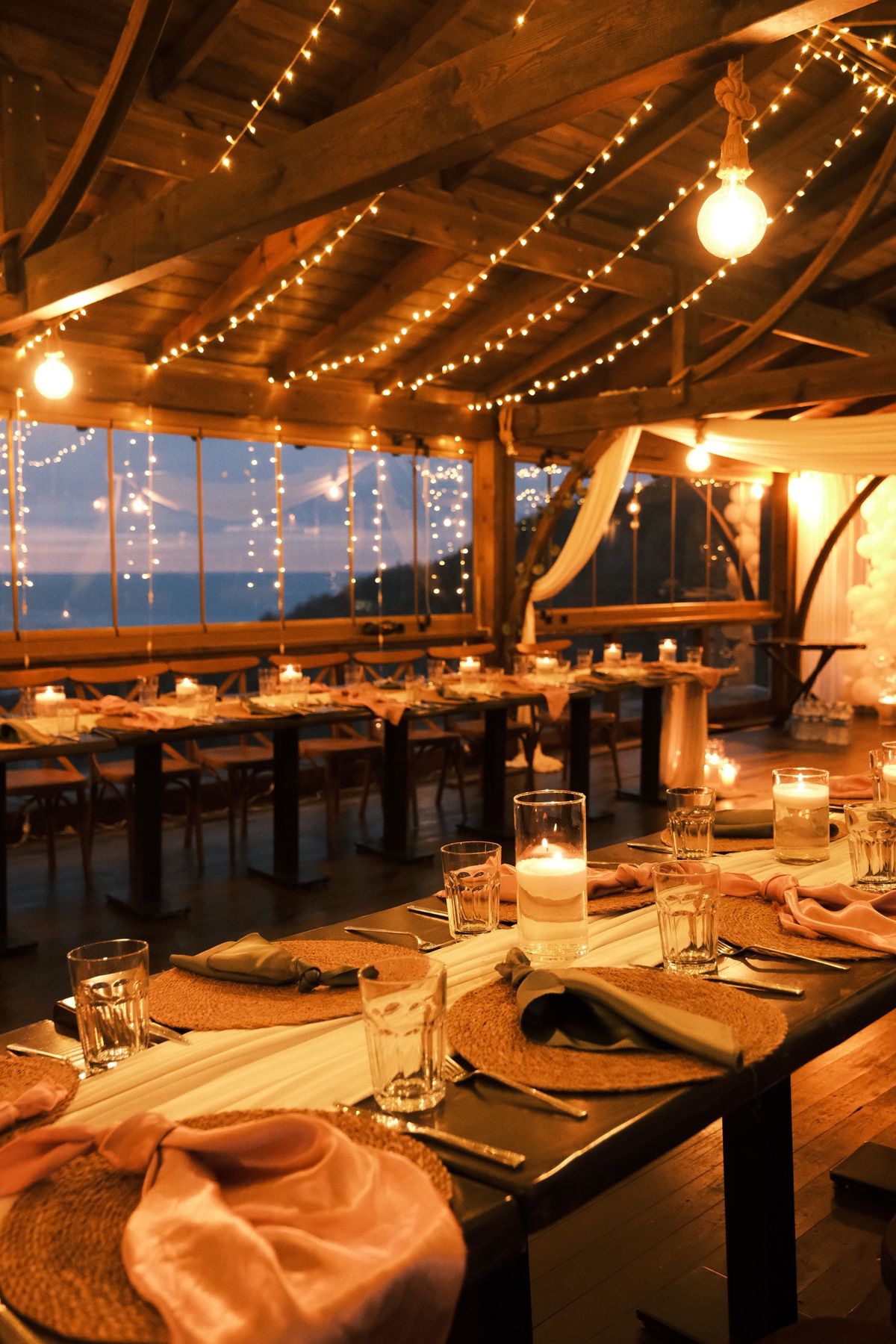
Photo: Pexels · License. Illustrative stock photography; pictured people, products and settings are not claimed to demonstrate this exact guide or endorse this publication.
Start with the actual decision
Ask the guest of honor whether they want wishes, practical encouragement, family stories or no written activity at all. Decide who may read the cards and whether names are optional. Avoid prompts that assume a particular family structure or ask guests to predict a child's appearance, health or future personality. The station's purpose is a warm contribution, not a public judgment about parenting.
Prepare the working information
Prepare readable cards, working pens, a clear sign and an envelope or box. Offer a seated writing option and enough light. Keep the station away from food spills and the main arrival queue. Use your own wording and design rather than copying a paid printable. If the cards will be stored in a binder, test the dimensions first so the guest of honor does not receive a pile requiring another craft project.
A worked example you can adapt
A simple card can have three optional lines: 'A small joy I hope you get to enjoy is…'; 'A kind reminder for a busy day is…'; and 'A practical offer I would genuinely be happy to discuss is…'. Guests can answer one, all or none. The third prompt should not create a promise on someone else's behalf. These original prompts invite warmth without requiring guests to disclose their own family history.
Follow the sequence in order
Set out the station before arrivals and show a completed blank-style sample with no private content. Explain briefly that cards are optional and can be unsigned. Let guests write during conversation rather than stopping the entire event. Check pens and available cards once or twice. Put completed cards directly in the chosen container. At the end, hand the collection to the designated person without reading entries aloud unless that was explicitly agreed.
Choose between the realistic options
Choose loose cards for simplicity or a small book if the guest of honor prefers everything together. A shared book can make private writing harder because others may see previous entries. An envelope gives more control over who reads. If some guests prefer to dictate a message, offer that help privately. Do not make handwriting or spelling part of the activity's value; the contribution matters more than decorative presentation.
A ready-to-adapt message
A station sign can read: 'Leave a wish or a kind encouragement if you would like. Answer any prompt, write your own message or simply enjoy the gathering. Signing your name is optional. Please place your card in the envelope; these messages will be read privately afterward.' Replace the final sentence if a different arrangement was agreed. A host can point out the station once without repeatedly asking guests whether they have completed a card.
Catch the common failure points
Avoid public guessing of who wrote a message, forced advice rounds and reading cards without permission. Do not collect addresses or contact details unless there is a clear separate reason. Keep glitter, loose tiny decorations and wet ink away from the cards if they complicate storage. If an inappropriate message appears, handle it privately rather than making the guest of honor manage a public conflict during the celebration.
Build a fallback and finish the handoff
Count unused supplies rather than treating a low card count as a failed event. Place the completed collection in its final container and give the guest of honor control over sharing. Ask before photographing readable messages. Reuse blank cards where practical and remove names from any template shared publicly. The successful station creates a meaningful optional keepsake with very little work left for the recipient.
Create a nonwriting alternative
Offer a simple choice such as selecting one of several printed words of encouragement and placing it in the envelope. Keep the choices original and nonintrusive, for example 'patience,' 'laughter,' 'rest' or 'kindness.' A guest can also choose not to contribute. This alternative helps people who find handwriting difficult or do not want to compose a personal message in a social setting, without drawing attention to the reason.
Your working checklist
Checkmarks stay in this browser when storage is available. They do not submit information or complete a purchase.
Put it into practice
- Confirm the purpose and privacy arrangement.
- Write gentle original prompts with an open-message option.
- Prepare a readable seated station.
- Introduce the activity once without pressure.
- Keep completed cards in the agreed container.
- Hand over privately and ask before sharing images.
Before you finish
- The guest of honor approved the activity and reading arrangement.
- Cards do not request medical advice or private disclosures.
- Guests can contribute unsigned or decline.
- The final collection needs little additional assembly.
Common questions
Should we read cards aloud?
Only if that was clearly agreed with the guest of honor and guests understand the arrangement. Private messages should not become public entertainment. A quiet handoff is often simpler.
Can guests write practical advice?
If the guest of honor wants it, use a gentle optional prompt and avoid medical instructions or prescriptive judgments. Encouragement and genuine offers of help can be more welcome than a long list of things the recipient must do.
What if someone cannot write comfortably?
Offer discreet assistance or a nonwriting option without making them explain publicly. The activity should remain optional. A spoken message to the guest of honor can be equally meaningful.
How many cards should we print?
Use the invited or confirmed count according to the event stage, plus a small deliberate replacement allowance if useful. Do not require every person to complete one. A few unused cards are not a reason to pressure guests.