Party Planning Checklist for a First-Time Host: From Invitation to the Last Guest
A first party does not need a large menu or a custom theme. It needs a clear invitation, enough practical provision for the group and a host who can welcome people without managing constant emergencies. Start with a format small enough to learn from comfortably.
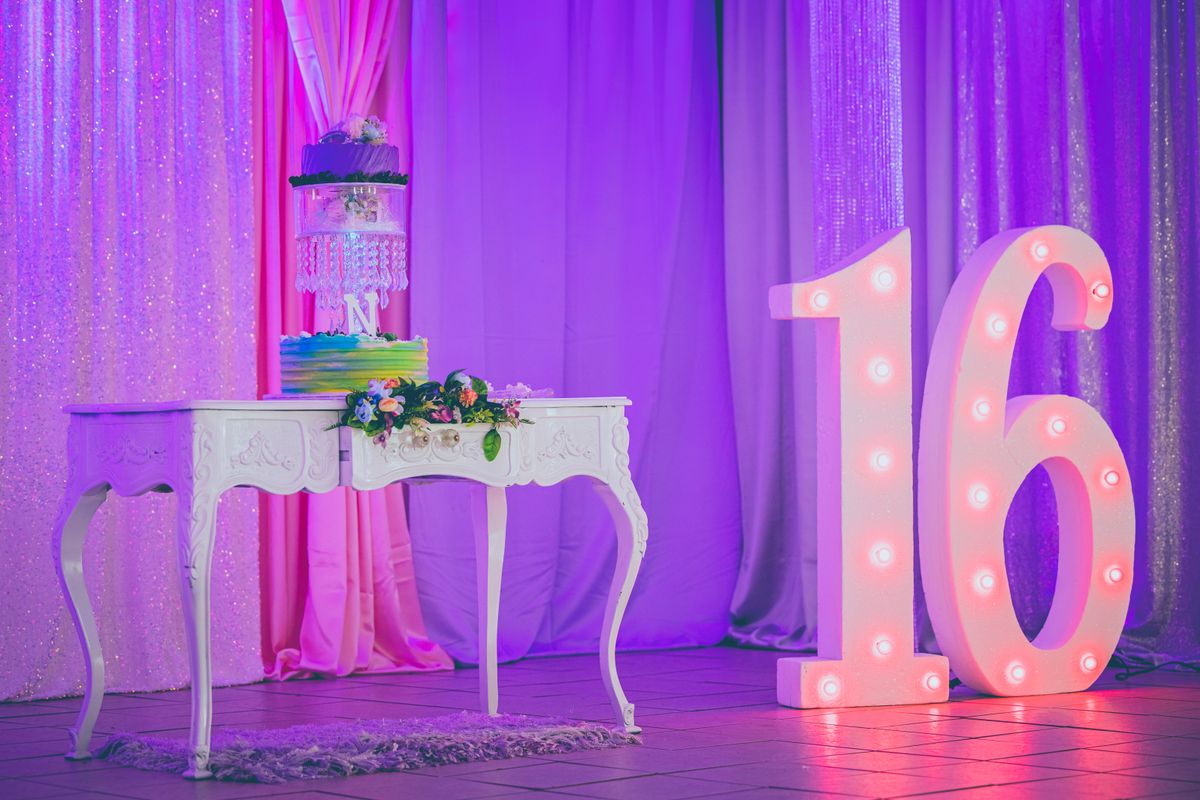
Photo: Pexels · License. Illustrative stock photography; pictured people, products and settings are not claimed to demonstrate this exact guide or endorse this publication.
Start with the actual decision
Choose the purpose, group size and duration before planning decorations. A birthday dinner, afternoon gathering and open house create different expectations. Decide what you can realistically provide with your space, equipment and time. Count actual seats and consider the route through the home. If the plan already depends on several unconfirmed helpers, reduce it or ask for specific help before inviting a large group.
Prepare the working information
Create a one-page plan with guest count, invitation facts, food format, supply inventory, preparation tasks and closing responsibilities. Ask privately about relevant food and access needs. Write what guests should bring, if anything, and avoid vague instructions that imply an obligation. Check plates, glasses, utensils and storage before shopping. Keep a small list of essential supplies distinct from optional decorative purchases.
A worked example you can adapt
A practical first event might be a two-hour afternoon gathering for six people with one prepared savory option, one sweet and drinks. That is an illustrative workload, not a required menu. If you choose dinner instead, plan an actual meal and enough usable places to eat. A narrow scope makes it possible to finish preparation before arrival and enjoy the company rather than treating the gathering as a test of everything a host could do.
Follow the sequence in order
Confirm the format and guests, send a clear invitation and collect responses. Make the menu and inventory together so shopping follows actual needs. Complete room setup and nonfood preparation before the final kitchen tasks. Put coats, drinks and waste where people can find them. Welcome guests with a brief explanation of the arrangement. Keep one or two optional conversation or activity ideas ready, but do not force them if the group is already enjoying itself.
Choose between the realistic options
Choose reliability over novelty for the first event. A dish you know how to prepare is more useful than three unfamiliar recipes competing for equipment. Borrow a suitable basic if the return arrangement is simple; do not assume every item must be newly purchased. If the budget or time feels tight, reduce the guest count or format rather than quietly depending on guests to bring missing essentials.
A ready-to-adapt message
An invitation can say: 'I would love to have you over for a relaxed afternoon on Sunday from 2 to 4. There will be light food and drinks rather than a full lunch. Please reply by Thursday and tell me privately about any practical needs. No need to bring anything.' Replace the example. The clarity about food and timing helps guests prepare and makes the host's promise achievable.
Catch the common failure points
Avoid shopping before counting what you own, leaving every room task until the last hour and apologizing throughout the event for an imagined standard. Keep food handling and hot-item movement organized. Do not place bags and coats in the route to the restroom. If a spill or small delay happens, deal with the actual issue calmly rather than announcing that the party has failed. Guests usually need hospitality more than a perfect visual result.
Build a fallback and finish the handoff
State the finish in the invitation and let the event close naturally around it. Handle food first according to the plan, then clear used items and return borrowed pieces. Send a simple thanks if you wish, without asking guests to grade the evening. Note three useful observations: what could be prepared earlier, what was unused and what made people comfortable. Use those notes to simplify the next gathering instead of assuming you must make it larger.
Make a minimum-ready checklist
Define the point at which guests can be welcomed: the relevant room is usable, restroom supplies are ready, food is under the correct conditions, drinks are available and the host knows the next task. Decorations are outside that minimum unless they serve a practical purpose. If time runs short, finish these essentials first. This gives the host a clear stopping rule and prevents a last-minute centerpiece from displacing the basic work.
Your working checklist
Checkmarks stay in this browser when storage is available. They do not submit information or complete a purchase.
Put it into practice
- Choose a manageable purpose, size and duration.
- Send specific food, time and response information.
- Inventory before shopping and keep the menu reliable.
- Finish room tasks before final food preparation.
- Welcome guests and use optional activities only if helpful.
- Close, handle food and record a few practical lessons.
Before you finish
- The invitation matches the food and seating actually provided.
- Essential setup is defined separately from decoration.
- The host's final preparation tasks do not all happen at once.
- Borrowed items and leftovers have a closing plan.
Common questions
How many people should a first-time host invite?
Choose a number you can comfortably seat or accommodate in the stated format. There is no universal ideal count. A smaller group can make it easier to learn your room, menu and timing.
Do we need a theme?
No. A clear purpose and a simple repeated visual choice can be enough. Choose a theme only if it helps decisions rather than creating extra purchases and work.
Is asking for help acceptable?
Yes, when the request is specific and freely accepted. Ask before the event if you need substantial help. A guest should not discover on arrival that they are responsible for cooking or cleanup.
What if the party is quieter than expected?
Allow a little quiet before assuming something is wrong. Offer food, an introduction or an optional prompt. Do not pressure guests to perform enthusiasm or fill every minute with an activity.