How to Host a Birthday Dinner for Eight in a Small Apartment
A small apartment can host a thoughtful birthday dinner when the plan respects the space it actually has. This guide uses eight people as an illustrative group and focuses on a comfortable meal, manageable preparation and clear guest expectations rather than a large decorative transformation.
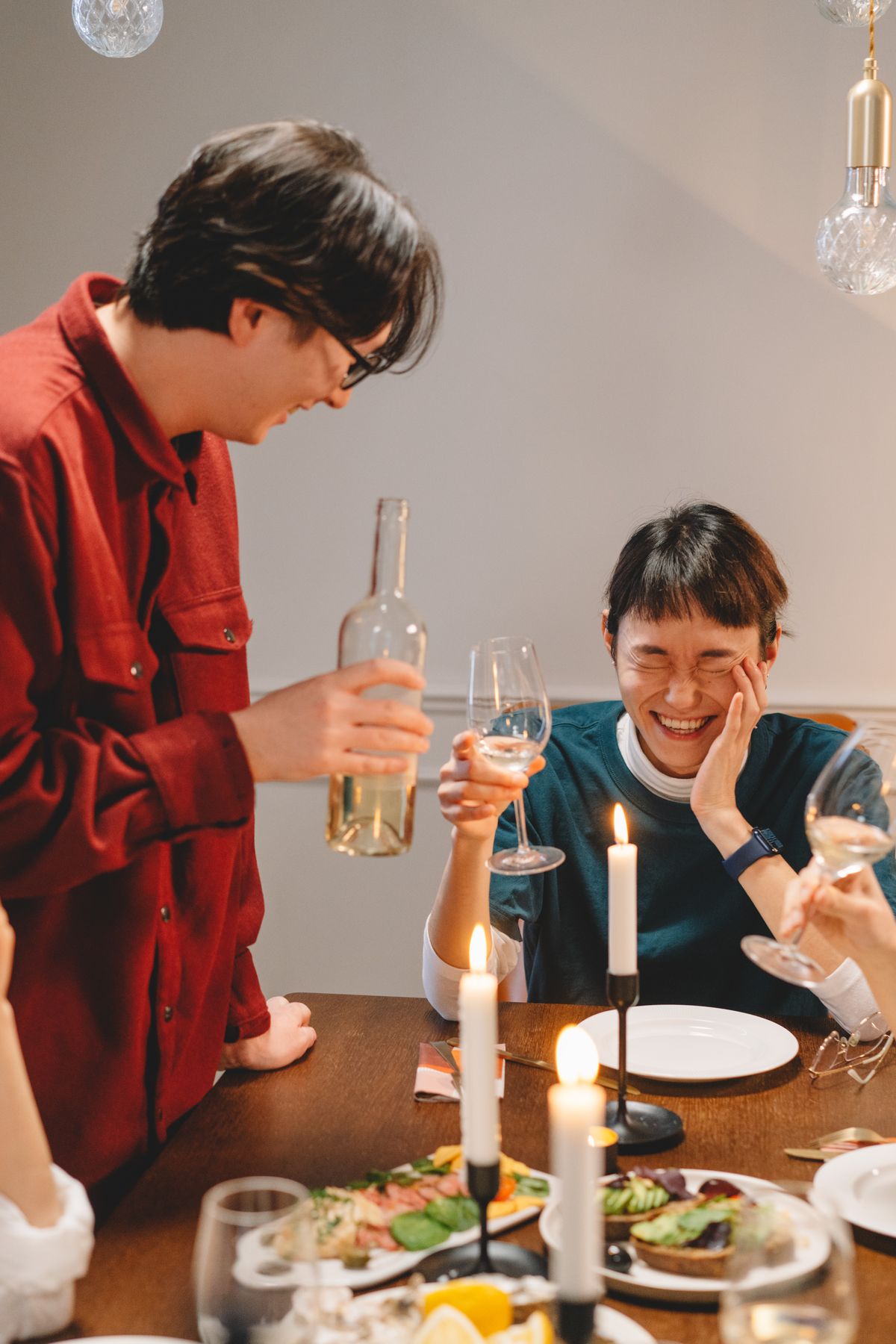
Photo: Pexels · License. Illustrative stock photography; pictured people, products and settings are not claimed to demonstrate this exact guide or endorse this publication.
Start with the actual decision
Choose whether everyone will sit at one table, use two coordinated surfaces or enjoy a clearly described casual meal. Count the actual chairs and test how they pull out. Avoid inviting eight people to a 'seated dinner' when only five can sit comfortably. Set a start and approximate finish that suits the home and household. Decide which rooms remain private, where coats go and how guests move to the restroom without crossing an active cooking area.
Prepare the working information
Make a simple room sketch showing seating, food service, drinks and coat storage. Inventory plates, cutlery, glasses and serving dishes before buying decorations. Ask guests privately about relevant food needs and tell them the meal format. Pick a menu that mostly finishes before arrival, with a limited number of last-minute tasks. Include the refrigerator and oven capacity in the decision: a menu is not practical if every dish needs the same shelf or final ten minutes.
A worked example you can adapt
For eight people, one table of six plus a cramped side stool may feel less comfortable than a deliberately arranged casual supper with two tables of four. Alternatively, borrowing a suitable table may solve the problem if the route and room support it. In a sample 7 p.m. dinner, guests arrive from 6:30, eat at 7 and enjoy cake around 8:15. These are editorial examples, not capacity or food-service standards. Choose the arrangement you can genuinely provide.
Follow the sequence in order
Clear surfaces and set the room before beginning final food preparation. Put drinks and glasses away from the cooking bottleneck. Prepare a visible place for coats and a small space for any gifts. As guests arrive, welcome them and explain the casual or seated arrangement. Serve the meal using a method you can maintain without repeatedly squeezing behind chairs. Clear enough table space for cake, then keep cleanup modest until guests leave unless a spill needs attention.
Choose between the realistic options
Compare cooking everything with a simple home-prepared meal plus an ordered component. Use actual total costs and timing rather than assuming one is always cheaper. A shared starter or single main dish can reduce serving complexity, but it still needs suitable utensils and ingredient clarity. Ask for help with one bounded task, such as pouring drinks, rather than turning a birthday invitation into an unannounced kitchen work session.
A ready-to-adapt message
An invitation can say: 'Please join us for a small birthday supper at home on Saturday, arriving from 6:30 for food around 7. We will be eight people and keeping the evening relaxed. Please let me know any food requirements by Wednesday. No need to bring anything; if you would like to help, a message beforehand is perfect.' Replace the invented details. If the format involves floor cushions or shared dishes, explain that before guests accept.
Catch the common failure points
Do not place all food, drinks and coats beside the entrance. Avoid moving furniture into a route guests need. Decorations should not compete with plates and glasses for the whole table. If using candles, consider flameless alternatives and the actual surroundings; a narrow table with sleeves and paper is not an ideal place to improvise open-flame decor. Do not leave perishable dishes waiting on a crowded counter while the room is rearranged.
Build a fallback and finish the handoff
Prepare a small cleanup kit and empty the relevant bins before guests arrive. After the meal, use suitable containers and the food-safety plan for leftovers rather than leaving food out through the entire evening. Return borrowed chairs and dishes according to the arrangement you made. The next day, note which menu and room decisions worked for your space. A successful compact dinner feels intentional because the guest route and host workload were considered together.
Do a seated reach test
Before the day, place the actual plates and glasses and sit in every proposed seat. Check whether a person can reach the table, stand up and move toward the restroom without asking several others to leave their chairs. Put the serving dish where it would really go. If the table becomes unusable, move service to a separate surface or simplify the menu. This practical test is more informative than counting chairs stacked in a corner.
Your working checklist
Checkmarks stay in this browser when storage is available. They do not submit information or complete a purchase.
Put it into practice
- Choose a meal format that matches the real seating.
- Test chairs and guest movement before confirming the layout.
- Select a menu with limited last-minute tasks.
- Place drinks and coats away from the cooking bottleneck.
- Explain the arrangement clearly in the invitation.
- Handle leftovers and borrowed items through a planned close.
Before you finish
- Every invited person has an appropriate place to eat.
- The host can serve without repeatedly blocking the guest route.
- Food requirements are collected privately.
- Decorations leave room for plates, movement and service.
Common questions
Should everyone sit at one table?
Only if the space supports it comfortably. Two thoughtfully arranged tables or an honestly described casual supper can work. Guests should know what to expect, especially if the arrangement might affect their comfort or access.
What is the easiest menu?
Choose food you can prepare reliably with your actual equipment. Fewer dishes and one clear serving sequence are often easier than many small components. The best option is one whose final preparation you can finish without neglecting arriving guests.
Can guests bring dishes?
Yes, if you organize it as a potluck and explain the plan in advance. Confirm quantities, ingredients and any heating needs. Uncoordinated offers can create three desserts and no suitable main dish.
How much decorating is enough?
A clean room, a deliberate table and one focal detail can be sufficient. Choose decoration after allocating space for guests and food. There is no need to cover every surface or buy a themed set for each object.