Garden Party Rain Backup Checklist for a Small Home Gathering
A garden party needs a second arrangement that supports the invited group, not just a hope that rain will stop. This guide focuses on small home gatherings and practical communication. Property, equipment and structure providers should confirm any specialist arrangements.
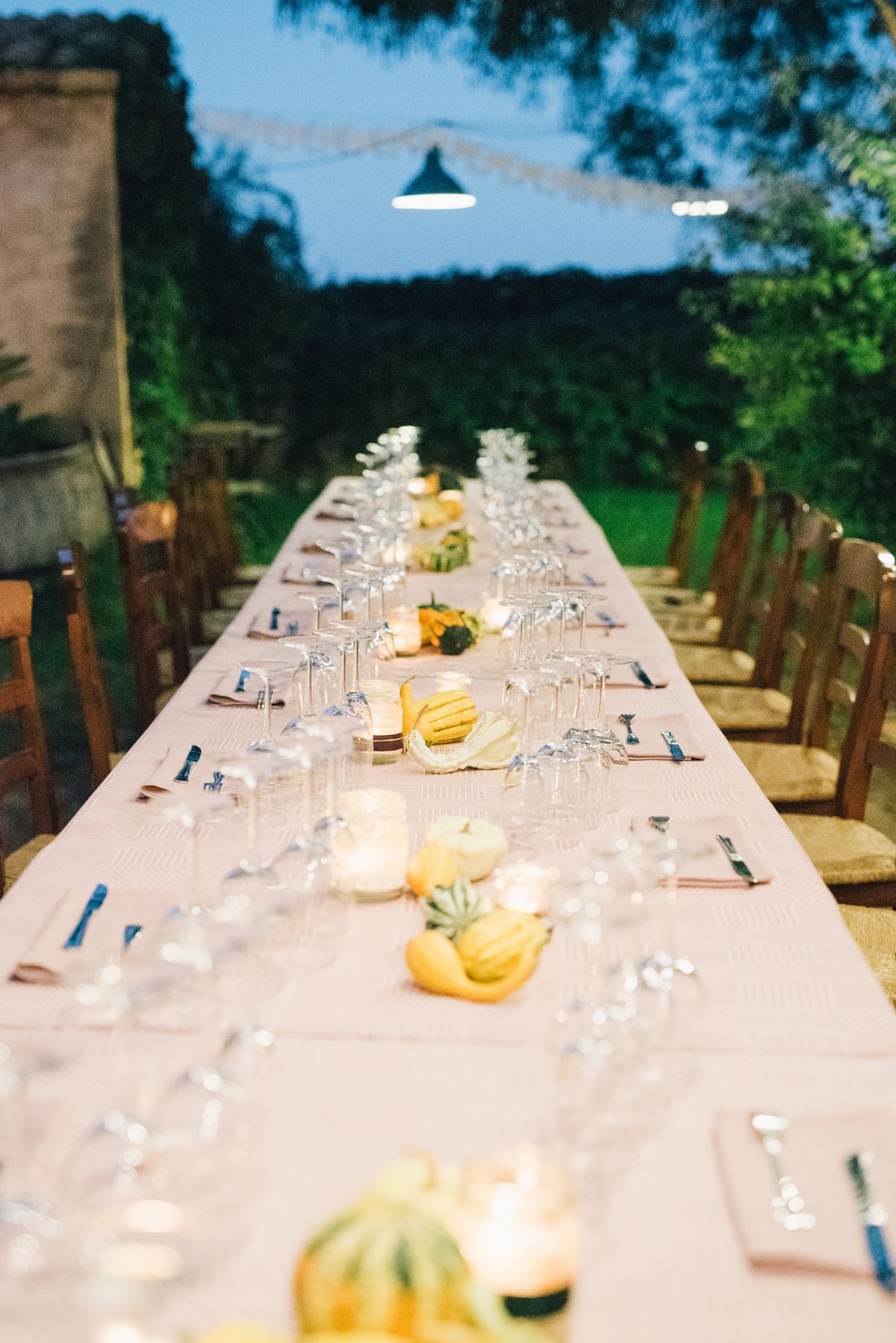
Photo: Pexels · License. Illustrative stock photography; pictured people, products and settings are not claimed to demonstrate this exact guide or endorse this publication.
Start with the actual decision
List the activities that rely on being outside: seating, food, games and arrival. Decide whether the fallback is indoors, a suitable professionally arranged covered area or a different date. Do not assume a crowded kitchen can become a full replacement for the garden. Count actual usable seats and consider how guests reach the restroom. If the alternate format is different, describe it honestly rather than presenting it as the same event under a roof.
Prepare the working information
Make two layouts with the same expected attendance. Identify which objects must move and where wet coats and umbrellas can go. Ask helpers how long the changeover takes and who is available before guests arrive. Keep food and electrical items under appropriate conditions. Confirm any provider's weather restrictions rather than improvising with a household canopy or extension lead. Store backup signs and table items where they can be reached without dismantling the whole party.
A worked example you can adapt
For an illustrative 16-person afternoon tea, an indoor table of eight plus eight standing spaces is a different format from sixteen seated garden places. You might shorten the guest list, use two indoor seating areas or choose a clearly described casual tea. If moving tables takes 30 minutes, the decision must precede the arrival window by enough time to complete that work. These figures demonstrate the calculation; your property and tasks determine the actual plan.
Follow the sequence in order
Prepare the alternate space before decorating the preferred one. Agree a decision time based on the work required. Check conditions with the relevant property or provider contact and make one clear choice. Tell helpers which layout to build, then send guests the updated entrance and format. Walk the changed route before arrivals. Keep a separate plan for collection or packing if hired items cannot remain outdoors at the end.
Choose between the realistic options
A slightly less scenic but ready indoor arrangement may be better than repeated last-minute moves. Compare comfort, workload and the purpose of the gathering. If the event centers on a game that cannot move inside, offer a different activity or reschedule with clear communication. Do not describe an unsuitable space as a rain solution simply because it is technically covered. A fallback should make the event manageable, not hide an unresolved capacity problem.
A ready-to-adapt message
A guest update can say: 'We are using the indoor version of Sunday's gathering. Please come through the front entrance from 2 p.m.; the garden gate will be closed. We will have a relaxed tea and conversation rather than lawn games. The finish remains around 4 p.m.' Replace these invented details. Send the action directly to guests who may already be traveling, and update the central invitation information where practical.
Catch the common failure points
Avoid placing umbrellas and boxes in the route to the restroom. A damp lawn may still affect access after the rain stops. Do not carry hot food through a changing furniture area while helpers move chairs. If using decorative lighting, follow the equipment's actual instructions and do not assume an indoor item is suitable outdoors. Stop relying on the outdoor plan when the property or professional provider says conditions are unsuitable.
Build a fallback and finish the handoff
After switching, confirm seating, drinks, food and waste stations are usable in the new arrangement. Thank helpers for following the final version and stop issuing competing ideas. At close, separate wet and dry items before packing and handle food through the planned storage process. Keep a brief note of the alternate layout for future gatherings. The useful outcome is a comfortable event with one clear plan, even if it looks different from the original photograph.
Make a move list
Write each item that changes location, its destination, who moves it and what must happen first. For example, the indoor dining table may need clearing before the tablecloth box can be unpacked. Keep food-service items separate from general decoration. This list reveals whether the same helper has been assigned two simultaneous jobs and whether a supposedly quick switch actually requires an hour of room rearrangement.
Your working checklist
Checkmarks stay in this browser when storage is available. They do not submit information or complete a purchase.
Put it into practice
- Choose an alternate format that fits the actual group.
- Prepare the indoor or covered space in advance.
- Set a decision time from the changeover work.
- Communicate one final layout to helpers.
- Tell guests the entrance and any format change.
- Check routes and pack wet items separately at close.
Before you finish
- The fallback supports real seating and restroom access.
- The changeover can finish before arrivals.
- Equipment use follows the actual provider or product instructions.
- Guests receive a direct update when travel is affected.
Common questions
Can we wait until the last minute?
Only if the arrangement genuinely permits an immediate switch. Moving tables, food and signage takes time. Work backward from arrival and choose a deadline that allows the alternate setup to be completed calmly.
Should we cancel if rain is forecast?
That depends on the property, activity and confirmed fallback. Decide from the actual conditions and provider advice, not a universal rule. Communicate clearly if the format or date changes.
Is a covered patio enough?
Check the usable space, seating, route and conditions. Coverage alone does not resolve access, wind, food handling or equipment suitability. Ask the relevant property or provider contact about the actual arrangement.
What if only some guests see the update?
Use the reliable contact information collected with responses and ask for acknowledgment where needed. Put a clear sign at the old entrance if safe and appropriate. Do not assume a single social post reaches every invited person.